Buying Solar System for Home
- “Lower monthly electricity bills and stable energy costs from day one"—that is what you can achieve with solar!
- However, you might have some doubts, wondering if it's worth the initial investment when you're accustomed to good old grid power.
- Or you might be looking for some valuable insights before you buy solar system for home.
- If so, continue reading and find out the best time to buy solar panel system for home, what to consider when buying panels, and which system suits your home best.
When is the Best Time to Invest in Home Solar Panels in Australia?
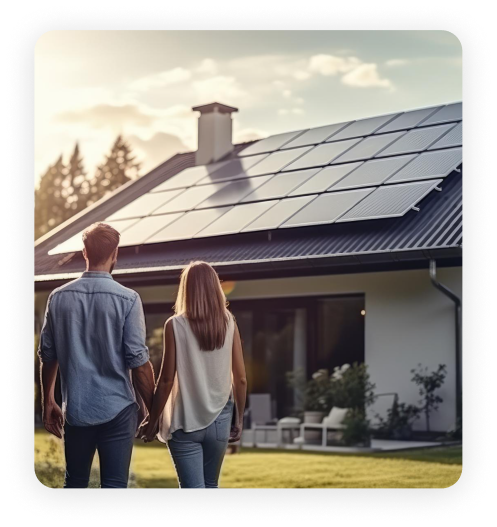
With solar panel prices predicted to fall by over 10% this year and reduced installation costs, there's no better time to make the switch in Australia.
The solar rebate is also set to decrease soon, adding to the urgency.
Also, if you're concerned about increasing electricity bills, you're not alone; experts predict a return to pre-pandemic prices may not happen until 2027.
Thus, this is probably the best time to buy a solar for home.
Calculating Your Solar Panel Needs
Determining the optimal number of solar panels for your home involves a technical assessment based on several key factors:
Begin by analysing your energy bills to find out your average electricity consumption.
The solar radiation your location receives, often referred to as insolation, significantly impacts panel efficiency.
Areas with higher insolation generate more energy from each panel, thus influencing the panel count.
The choice of solar panels is crucial. Opting for high-efficiency panels may reduce the overall quantity required to achieve the desired electricity output.
Today's solar panels average 16% to 20% efficiency. Anything above 20% is considered a high-efficiency panel.
The suitability of your roof to support solar panels is a key consideration.
Measuring roof space and assessing structural capacity will determine the maximum number of panels that can be accommodated safely.
The nature of your property, whether it's a house or an apartment, also plays a role.
Apartment dwellers, for instance, may face space constraints, limiting the number of panels they can install.
We can provide an accurate assessment tailored to your specific circumstances.
For precise calculations, contact us today.Which Type of Solar System is Best for My Home?
When you are deciding to buy solar system for home, it's crucial to understand the key options available:
1. Grid-Tied Solar Systems: STCs play a pivotal role in making solar installations financially viable for households and businesses.
2. Off-Grid Solar Systems: Designed for remote areas without grid access, they rely on battery storage for continuous power.
3. Hybrid Solar Systems: These systems blend the advantages of both grid-tied and off-grid systems, offering reliability and flexibility.
The choice between these systems depends on your unique circumstances.
Consider the following factors:
Cost: Grid-connected systems are generally more cost-effective as they don't require additional equipment like batteries.
Reliability: Off-grid systems excel in reliability due to their independence from grid outages. However, grid-connected systems can offer backup power solutions.
Flexibility: Grid-tied systems let you tap into grid power when needed, while off-grid systems require sufficient stored power at all times.
Environmental Impact: Both systems offer clean energy, but off-grid setups may involve batteries with environmental considerations.
Location: Feasibility depends on your location and grid availability, with off-grid being a necessity in remote areas.
In short, going off-grid means full self-sufficiency, though it can be costlier and require larger solar setups.
On the other hand, On-grid systems connect you to the grid for cost-efficiency, especially in sun-rich regions.
Hybrid systems provide a middle ground, offering some grid independence while staying connected.
The choice to buy solar panel system for home is dependent on your unique situation, including sunlight availability, budget, and energy requirements.
How to Buy Perfect Solar System For Your Home
When starting your journey to buy solar system for home, here's a checklist to navigate the technical terrain:
1. Type of Solar Panel : Understand the variety of solar panels available in the Australian market. Traditionally, monocrystalline panels were prominent, but now numerous options exist.
Also, assess panel specifications, like
Nominal Power: It tells you how much electricity it should produce under perfect conditions.
Efficiency: This is like how good the panel is at turning sunlight into electricity.
Flexibility: Grid-tied systems let you tap into grid power when needed, while off-grid systems require sufficient stored power at all times.
Power Tolerance: This tells you how much the panel might perform above or below its official rating.
Temperature Coefficient: A solar panel on a hot day is not as efficient. This number shows how much less power it makes when it's hot outside.
Learn More about solar Panels2. System Size: Tailor your system size to match your energy usage and home size. Larger systems generate more energy but come with a higher price tag.
3. Storage Solutions: If you're eyeing independence from the grid, storage is key. Weigh the pros and cons of various batteries using our solar battery guide.
4. Cost Considerations: Determine your budget, considering factors like system size, panel type, and installation. In Australia, solar systems typically range from $4,000 to $10,000 for quality setups.
5. Roof Evaluation: Assess your roof's suitability - it should face north for optimal energy production and should be free from shading by trees, power lines, or structures.
6. Local Regulations: Check with your local council for any approvals or guidelines related to solar installation.
7. Payback Analysis: Calculate the payback time for your solar investment to understand the financial benefits.
8. Multiple Quotes: Get quotes from various installers to secure the best deal.
9. Standards Compliance: Verify that your chosen solar panels meet the necessary standards.
10. Warranty Check: Scrutinise product and performance warranties for peace of mind.
Solar Installation and Maintenance What You Need to Know
So, you've done your homework on picking the right solar system.
Great!
But before you kick off the solar journey, there's a crucial checkpoint: your installer.
Choosing the Right Installer:
Look for an installer who's SAA-approved.
As they stick to industry best practices, ensuring your solar setup is safe, reliable, and meets your expectations.
Plus, if you want to score small-scale technology certificates (STCs) for added savings, you'll need a SAA-accredited installer.
Maintenance Matters:
Keeping your solar panels performing at their best is essential.
This means regular cleaning, clearing debris, inspections, component checks, and keeping an eye on your inverter's display.
Make sure you can easily reach your isolator switches and that emergency shutdown procedures are crystal clear.
Discover Sunboost Your Trusted Solar Partner

Sunboost is Australia’s most trusted and respected solar retailer, having already installed more than 1.26+ million solar panels across Australia. When it comes to solar solutions, Sunboost can be your dependable choice.
Here's why:
1. Type of Solar Panel : Understand the variety of solar panels available in the Australian market. Traditionally, monocrystalline panels were prominent, but now numerous options exist.
Also, assess panel specifications, like
Sunboost is a Top Volume Solar Retailer (Sunwiz)
Proven Excellence: Our track record shines with thousands of satisfied customers, making us the only solar provider with 16000+ reviews. (Product Review)
Your Solar Journey: We're here for you every step of the way, from the beginning to the end.
Our business reflects our values which is why we place such an emphasis on Corporate Social Responsibility. We are committed to giving back to our staff, our customers, and the community, especially in their time of need.
This philanthropic approach has earned the respect of wonderful Australians, including former Australian Cricket Captain Allan Border who has proudly served as Sunboost’s Brand Ambassador since 2017.
Ready to make your solar dream come true? For more insights on home solar and to receive a tailored solar system quote that matches your energy needs,
Connect with us today!Get in touch with us today for a one-of-a-kind solar solution tailored exclusively to your requirements!
