"88% of consumers will be more loyal to a company that supports social or environmental issues." - Forbes
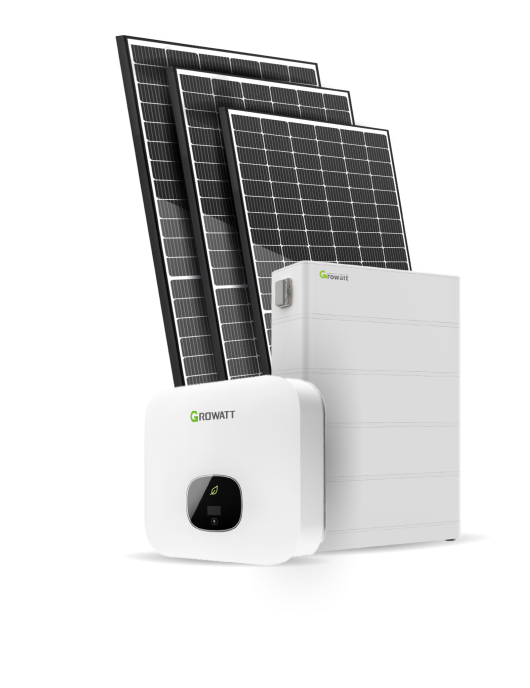
- In today's world, where environmental consciousness is on the rise and sustainability has become a top priority for both businesses and consumers, commercial solar energy solutions are emerging as a game-changer.
- A 30 kW solar system alone has the potential to reduce a staggering 40 metric tonnes of CO2 emissions every single year.
- Therefore, installing a commercial solar system can offer your business a unique opportunity to align itself with environmental causes and earn the loyalty of a socially conscious customer base.
- However, there are different prerequisites and needs for commercial solar in Australia than for residential solar.
- To delve into the nitty-gritty of installing commercial solar panels in Australia, please continue reading.
What is the Ideal Commercial Solar System Size for Your Business?
When it comes to selecting a commercial solar system for your business in Australia, it's crucial to find the size that matches your unique energy requirements.
Here's what you can consider:
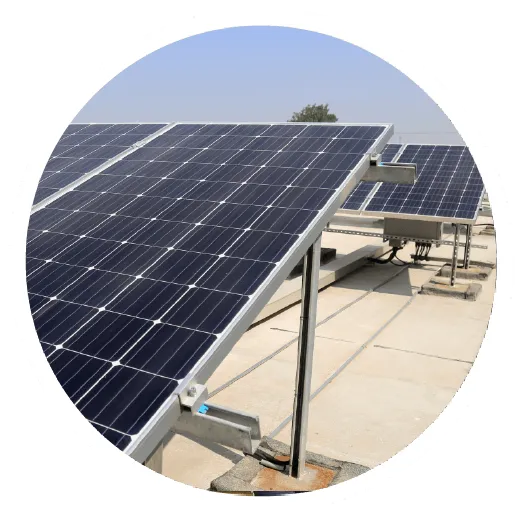
(1) 20 kW Commercial Solar System
If you're running a small business or organisation with annual electricity bills ranging from $6,000 to $10,000, a 20 kW commercial solar system can be the ideal choice.
This system is commonly installed in places like factories, schools, and companies. It follows the same installation guidelines and restrictions as residential solar systems.
(2) 30 kW Commercial Solar System
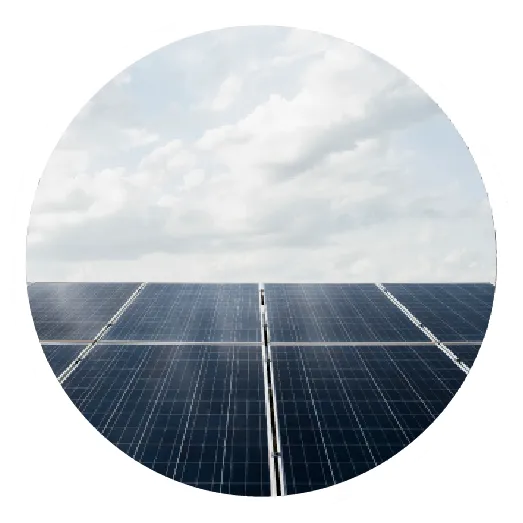
For small to medium-sized businesses, a 30 kW commercial solar power system is a popular option.
On average, this system generates about 110 kWh of power daily and requires a minimum of roughly 150-200 square metres of space, depending on panel wattage and tilt frame needs.

(3) 50 kW for Big Families
If you're operating a larger business with high energy demands, consider a 50 kW solar panel system.
It's suitable for medium- to large-scale commercial or industrial applications, making it ideal for businesses with various machinery.
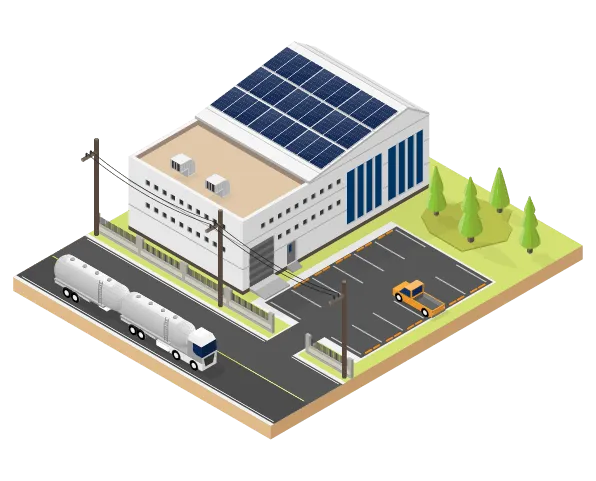
Given its substantial space requirements, businesses with ample space, such as warehouses and factories, are prime candidates.
(4) 100 kW or Larger Commercial Solar Systems
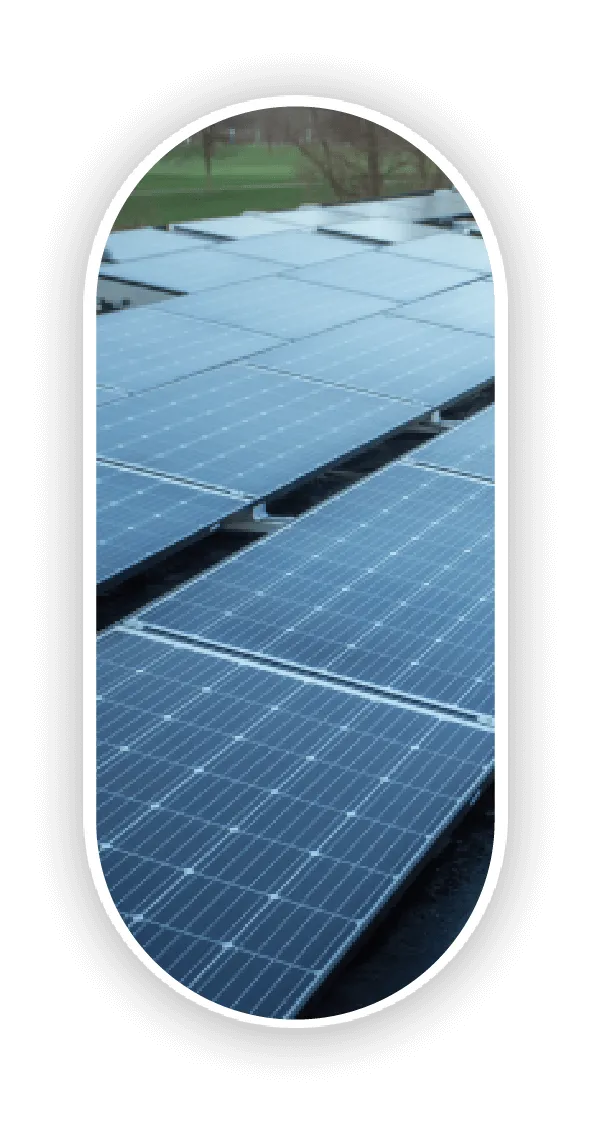
For medium- to large-sized businesses dealing with high energy costs, a 100kW solar system can be a game-changer. These systems can generate around 150,000 kWh of energy annually, translating to approximately 411 kWh per day on average.
Keep in mind that actual energy generation may vary based on factors like location, component quality, and solar irradiation.
The cost of a 100kW solar system varies depending on size, materials, and available rebates.
You'll need about 10,000 square feet of shadow-free area to optimise generation.
If you're a large business or own a property with ample space, this system can make your business more independent from electric companies and significantly reduce your bills.
Since these systems are smaller than 100 kW, they're all eligible for STCs (Small-scale Technology Certificates).
However, when it comes to connecting your solar system to the grid, it's crucial to have a connection agreement with your distribution network service provider (DNSP) in place.
This agreement is like a formal contract that spells out how your grid connection will work.
It's important that the person who's in charge of the system after it's installed, usually the business owner, completely understands what's in this agreement and signs it. Based on info available on other pages please check.
Which Type of Solar System is Best for My Home?
In Australia, the typical commercial solar system falls within the range of 30 kW to 100 kW, although your specific needs may vary.
To determine the right size for commercial Solar installation, consider factors such as daily sunlight exposure, local climate conditions, panel orientation (south-facing is usually best), the reliability of different brands, panel warranty timelines, and any future energy needs or expansion plans.
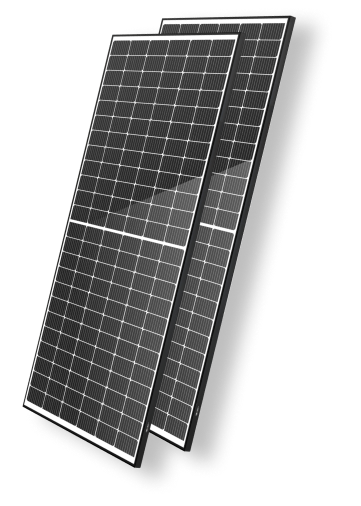
Commercial solar panels typically have wattages ranging from 450 to 600 watts.
If possible, go for higher-wattage panels, as it will reduce the number of panels required and save roof space.
Higher wattage panels also often correlate with reputable brands known for longevity and efficiency.
Get a tailored quote to meet your business's precise requirements.
Contact us today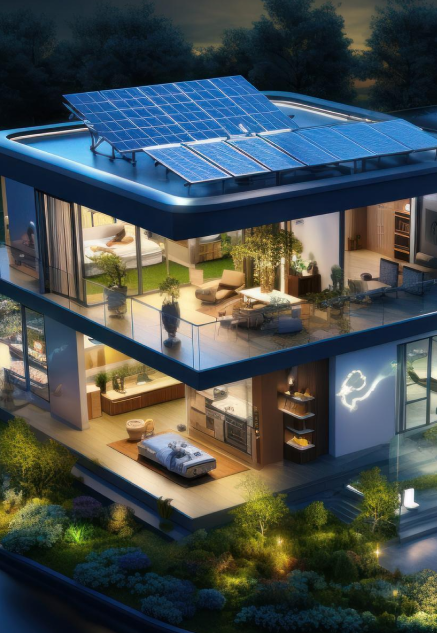
Rebate Solar System Canberra
Canberra residents are presented with attractive rebate programs encouraging energy-efficient upgrades:
1. Frequency of Grid Outages:
If your area experiences frequent power outages, having on-site batteries can enhance your business's resilience. These batteries act as a backup power source, ensuring your operations continue even when the grid goes down.
2. Protection Against Power Fluctuations:
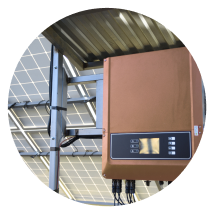
Think about the frequency response of your electrical equipment. Sudden power dips or spikes can be harmful. Depending solely on the grid or PV panels can expose your appliances to potential damage. For instance, a passing cloud can lead to an abrupt surge in solar power, risking internal circuitry. Solar batteries serve as a protective buffer, absorbing sudden power fluctuations and safeguarding your equipment.
3. Working Hours and Night Operations:
Consider your business's operating hours. If your operations continue into the night, a solar battery becomes more valuable, as it stores excess energy generated during the day for use during nighttime hours.
Getting Permits for
Commercial Solar in Australia
Mostly, you will need a building permit to ensure that your solar panel installation complies with local zoning and building codes.
For this, a structural assessment is conducted to confirm that adding the panels won't compromise the integrity of your building. Your installer will use this information to design the system while keeping permit requirements in mind.
If you plan to feed excess electricity generated by your solar system back into the grid, you'll also need an agreement with your Distribution Network Service Provider (DNSP).
How Much Does a
Commercial Solar System Cost
Commercial Solar system price in Australia can vary depending on several factors, such as
First and foremost, government support, such as rebates and incentives, can significantly impact the overall expense.
Your location, as solar conditions differ by region, affects panel efficiency and costs.
The quantity of panels, their placement, panel quality, and inverter efficiency are critical cost determinants.
System design, logistics, and installation expenses, including transportation and labour, add to the budget.
Maintenance, monitoring, grid connection, shading considerations, roofing type, site preparation, and the potential need for professional services all influence costs.
Finally, obtaining necessary regulatory approvals may involve additional fees.
Commercial Solar
Financing Options
Apart from STCs that can be sold to eligible entities, such as electricity retailers, to generate revenue and feed-in tariffs, there are a number of different financing options for commercial solar systems.
Grants and Assistance
State and local governments often offer grants and assistance to businesses that want to implement energy-efficient options. The Sustainable Australia Fund provides environment upgrade finance, which offers businesses financing options that overcome many of the traditional barriers to environmental upgrades. The fund has three funding options for businesses:
Capital Fund: This fund is used to bridge the gap between traditional bank debt and equity investment in major, transformational construction projects.
Solar Fund: This fund provides fixed-rate, long-term loans for solar PV upgrades to existing commercial buildings.
Upgrade Fund: This fund provides fixed-rate, long-term loans for innovative environmental upgrade projects to existing non-residential buildings.
Funding through the Sustainable Australia Fund is currently available across 40 local councils in New South Wales, Victoria, and South Australia.
Tax Breaks
Small businesses with a turnover of less than $50 million per year are eligible to write off depreciable assets to the value of $30,000.
Solar Leasing
Many companies now offer structured finance solutions for businesses that want to use commercial solar energy but would prefer to retain their own cash and use finance to fund the purchase costs.
The most common arrangement is solar leasing, which consists of an operational or finance lease for the use of the system equipment.
System rentals may be tax deductible if they are considered to be an operating expense.
Leases are generally five to 10 years with monthly payments, but they can be tailored to your business needs.
Energise Your Enterprise with Efficient Commercial Solar Solutions

With the rising energy costs in Australia, solar panels undoubtedly serve as saviours, with the added benefit of sustainability.
Whether your business is a school, factory, shop, or warehouse, energy independence plays a significant role in any risk management or sustainability programme.
At SunBoost, we understand that your business demands a dependable system year in and year out. We use high-quality components, provide ongoing servicing, and offer a comprehensive performance guarantee for every installation.
Choose SunBoost for intelligent solar power solutions tailored to your energy consumption needs.
Get in touch with us today for a one-of-a-kind solar solution tailored exclusively to your requirements!
