Comprehensive Guide to Off Grid Solar Systems in AustraliaUnderstanding Off Grid Solar Systems
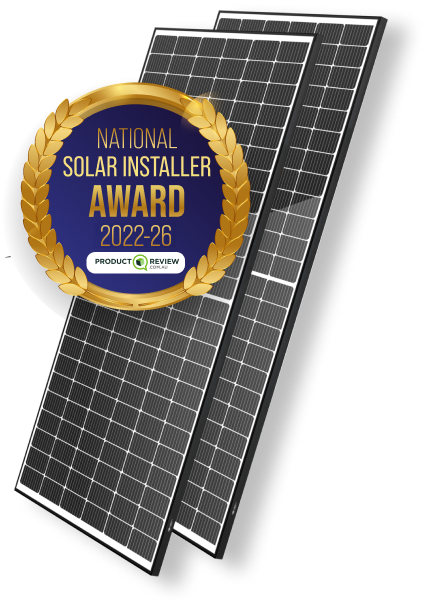
- Off grid solar systems, as the name implies, function independently, free from any connection to the conventional power grid.
- These self-sustaining energy systems utilize solar panels to capture sunlight and subsequently convert it into electrical energy.
- This electricity is then stored within a substantial battery, akin to a large-scale rechargeable battery.
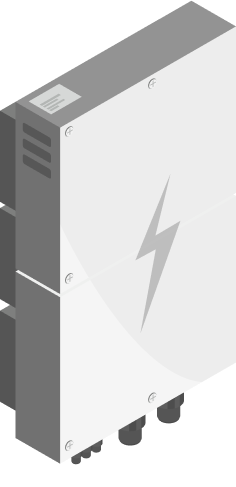
- To make this stored energy practical for your home, an inverter takes over, transforming it into the standard form of power compatible with your household appliances and lighting.
- So, with off-grid solar, you're basically making your electricity from sunlight and storing it up for whenever you need it, without relying on the usual power lines.
How Many Solar Panels Do You Need?
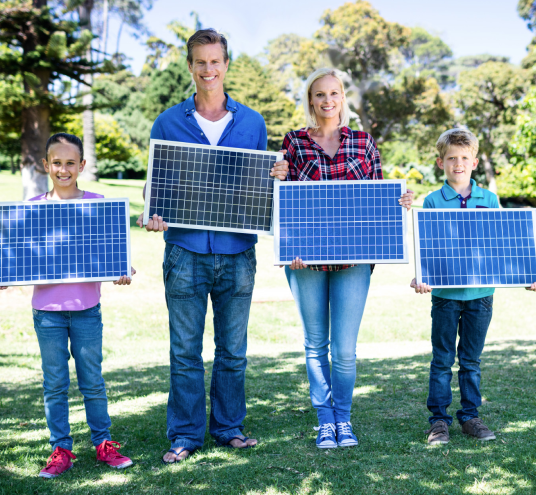
The number of solar panels for off-grid living in Australia varies depending on daily electricity usage, location, and climate.
Studies suggest to attain 95% solar reliability, an average home would typically require a minimum 7 kW solar panel system paired with a 35 kWh battery system.
However, the specific number of panels may differ based on the wattage of the panels you choose.
For instance, if you opt for 415watt solar panels and your energy needs match the average (7 kW), you'd need about 17 panels to achieve energy independence.
Keep in mind that the panel count is just one aspect to consider; sufficient battery storage is equally important to sustain your off-grid lifestyle.
How to Choose the Best Off Grid Solar System
Choosing the perfect off grid solar system is not a one-size-fits-all decision
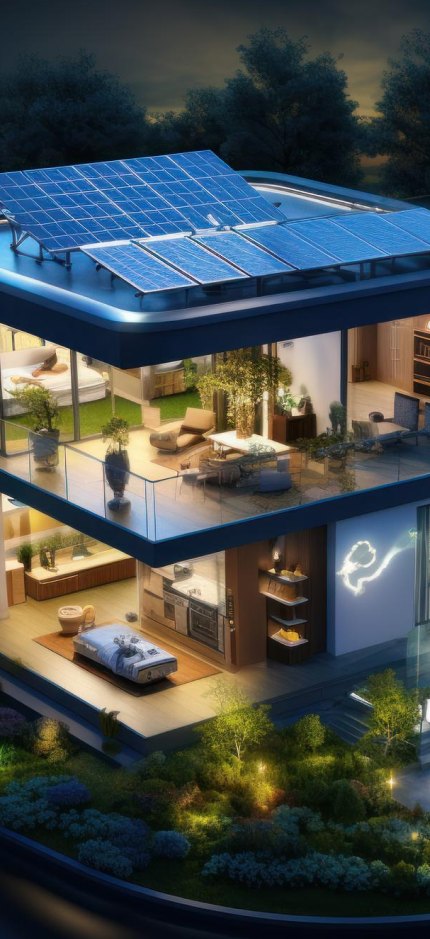
It involves several key considerations tailored to your unique needs:


1. Sizing Your System:
Begin by determining the size of your off grid solar system based on your energy requirements. Calculate your daily average energy consumption (kWh) during the sunniest months to get a clear picture of your needs.

2. Budget Planning:
Off grid solar systems can be an investment, so establish a budget that covers system components, installation, and future maintenance costs.

3. Component Selection:
Opt for high-quality components that work harmoniously within your system. This includes selecting the right solar panels, batteries, charge controllers, and inverters to meet your energy demands.

4. Warranty Assurance
Prioritize systems that come with warranties, offering you protection and peace of mind in case of any issues.

5. Customer Insights
Before making your decision, read reviews from fellow customers who have experience with the same system. Their feedback can provide valuable insights into the system's performance and its long-term value.
Want to ensure your home has the perfect off-grid energy setup?
Let us assess your energy needs, consider your home's conditions, and calculate the ideal number of panels and batteries for you.
Contact Us Now!Is It Worth Going Off-Grid?
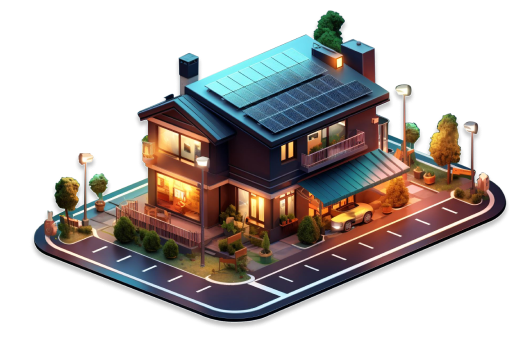
As electricity prices go up and the big costs to connect to the regular power grid loom, living off-grid is becoming more appealing.
When you decide between going off-grid or connecting to the grid, you need to think about the whole picture, not just the upfront cost.
Here are some things to consider:
1. No More Power Bills: Going off-grid means you won't have to pay regular power bills.
This can work well in parts of Australia where there's lots of sunshine all year round.
You don't have to move to the middle of nowhere; many places in the country are great for off-grid living.
Just make sure there's a good supply of water, nice weather, and services nearby, and the rules let you build what you need.2. No Connection Fees: You won't have to pay big fees to connect to the regular grid.
3. Shielded from Rising Prices: Off-grid living keeps you safe from those rising power bills that keep going up.
4. You Own Your Stuff: When you buy equipment for your off-grid setup, it's yours to keep and control.
5. Green and Renewable Energy: Off-grid living means you get power from clean, renewable sources, which is good for the planet.
So, off-grid living can give you freedom and help you save money while being kind to the environment.
It's worth thinking about!
Calculating Battery Needs
To go completely off-grid, you'll need a substantial battery setup, typically 8 to 12 batteries.
It's smart to aim for at least two days of storage capacity, which might mean around 600 to 800 amp hours, depending on your budget and needs.
The size of your battery should match how much backup power your appliances require.
As per a report by the Grattan Institute, if you have a seven-kilowatt solar PV system with 35 kilowatt hours of battery storage (enough for two days), it can cover about 95% of your yearly electricity needs.
This leaves about 18 days without power.
Also Read: Solar Battery ProductsTo reach 99% reliability, you'd need a 10-kilowatt solar PV system and 60 kilowatt hours of storage.
Off Grid Solar System Cost in Australia

The off grid solar system cost in Australia is influenced by various factors.
These include the system's size, the type of energy consumption patterns, location in relation to utility lines, and any existing backup systems already in place at your residence.
It's worth noting that the Australian Federal Government provides incentives through Small-scale Technology Certificates (STCs) to offset the cost of off-grid solar system packages.
There are also state and federal government incentives available to homeowners to install solar, including low-interest loans, interest-free loans.
Assessing Your Off-Grid Solar Needs
If you're looking to determine your off-grid solar requirements and install a system tailored to your needs, Sunboost is here to assist.
As Australia's largest solar provider, we're dedicated to making your transition to solar power effortless.
We offer top-notch solar panel packages, expert installations, and continuous support to ensure your off-grid journey is a success.
Get in touch with us today for a one-of-a-kind solar solution tailored exclusively to your requirements!
