Solar energy is the most abundant energy resource on Earth. In fact, 173,000 terawatts of solar energy strike the Earth continuously.
That's more than 10,000 times the world's total energy use!
Thanks to solar panel systems, this non-exhaustible energy source can now be used to light up our homes and commercial spaces.

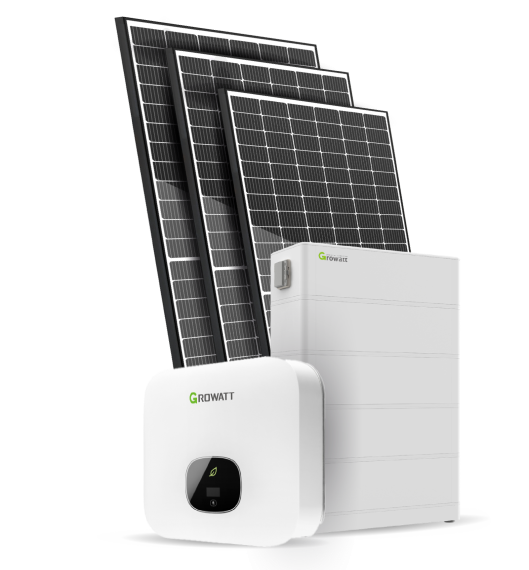
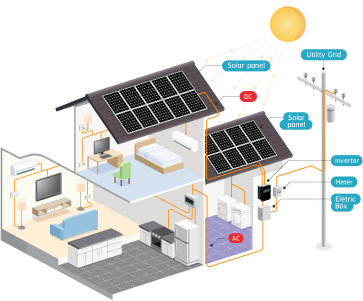
The solar panels absorb sunlight and transform it into electricity in the form of direct current (DC).
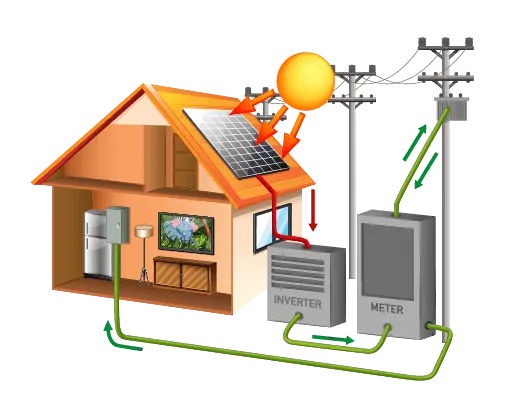
The DC electricity charges a battery through a solar regulator. This regulator ensures that the battery is charged correctly and safely, preventing any damage.
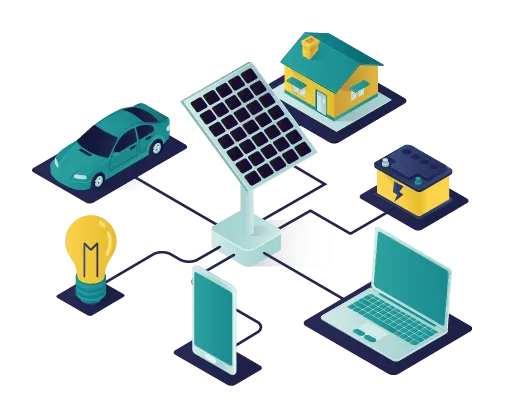
For DC appliances, they can draw power directly from the battery. But for AC appliances, which use 240 Volt AC power, an inverter is used to convert the DC electricity.

Any extra electricity that the appliances don't need can be sent back to the grid or stored in batteries for later use. This way, nothing goes to waste!
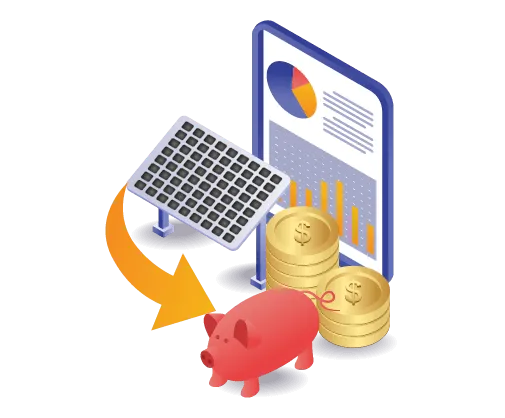
If your solar panels generate more electricity than you use, you can even sell the surplus back to the electricity grid in exchange of a feed-in tariff.

Before we delve into the cost, it's important to know that different types of solar panels are available to suit various needs, and their costs vary accordingly.


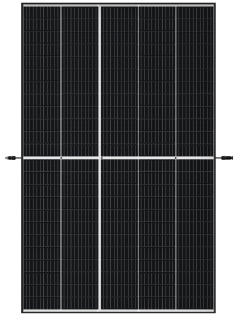
The heart of the solar panel system, these panels contain special cells that capture sunlight and convert it into direct current (DC) electricity.
Each solar panel consists of silicon solar cells covered by a sheet of glass and held together by a metal frame. When sunlight hits the solar cells, it activates electrons, which then flow through the cell.
Wires capture this flow of electrons and combine it with the output of other cells within the panel.
Solar panels are classified based on their rated power output in Watts, which indicates the power they can produce in 1 peak sun hour. It's important to note that solar panel output is affected by cell operating temperature.
The output decreases as the temperature increases, but during cool conditions with sudden bursts of sunlight, the panel's output can exceed its rated capacity.
They are an optimum choice to power homes, businesses, and even entire communities.


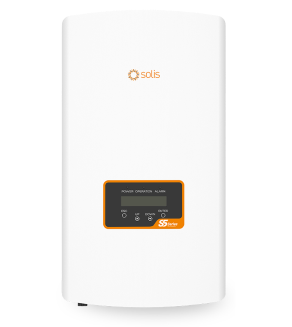
Inverters are crucial components in a solar panel system because they convert the DC electricity produced by the solar panels into the AC electricity needed for our appliances and devices.
String Inverter: This type connects multiple solar panels together and converts their collective power.
Microinverters: They are attached directly to individual solar panels and are more efficient in converting power, though they may come at a higher cost.
Power Optimizers: These act as a hybrid between microinverters and string inverters. They are installed at each panel and condition the DC electricity before sending it to a centralized inverter instead of converting it directly to AC.


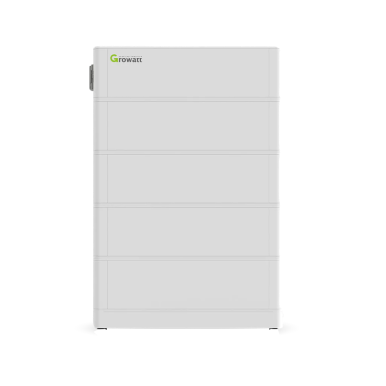
A solar battery is a crucial component used to store excess electricity generated by solar panels.
It acts like a backup power source, ensuring you have electricity even during nights, cloudy days, or power outages.
In a grid-tied solar system, a battery might not be necessary, as it can rely on the power grid for electricity. However, for off-grid solar systems that operate independently, a battery is essential to store and use the energy when there isn’t adequate sunlight.
In the solar industry, there are different battery options available, with the two main types being lead-acid and lithium batteries.


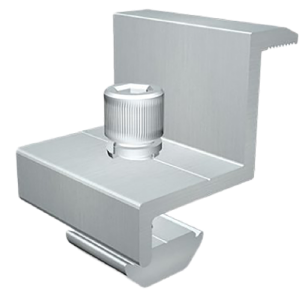
For the best sunlight exposure, solar panels must be securely mounted on roofs or the ground. These systems position the panels properly to achieve maximum efficiency.
In residential solar setups, most roof-mounted systems are designed to lie flat, aligning with the roof's pitch. However, some setups allow for tilting or angling the panels to capture the sun's rays more effectively.


The cost of solar panels is influenced by factors like their efficiency and expected lifespan.
Higher efficiency and longer-lasting panels often come with a higher price tag, which affects the overall solar panel packages.
The good news is that solar installation costs have significantly decreased over the past decade.
However, the installation price can vary based on factors like the system size, type, your location and roof.
Remember, solar panel systems are a long-term investment that can lead to significant savings on electricity bills over time. So, invest wisely!
Choosing the right size for your solar panel system depends on your energy consumption, available roof space, and budget. In Australia, a typical solar PV system is around kWh, which works well for most households. However, larger systems of 8-10 kWh are gaining popularity in the Residential market.
Start by examining your electricity bills from the past 12 months.
Note down the total kilowatt-hours (kWh) used each month.
Sum up the kWh usage for the entire year and divide it by 12 to find your average monthly consumption. This will give you an estimate of your daily kWh usage.
It's also helpful to analyze how your daily kWh usage varies throughout the year.
For example, a single-person household with average electricity needs may use 8-12 kilowatt hours a day, while a larger family home with a pool and multiple appliances might use 40-50 kilowatt hours daily.
To ensure optimal performance of your solar panels, it's essential to check your roof space and consider specific factors.
While roof designs vary, some key elements can impact solar panel efficiency.
North-facing roofs receive the best sunlight exposure, but even on other orientations, solar panels can still be installed, though with a slight reduction in energy generation.
Before choosing a solar system, make sure your roof has enough space to accommodate it, as the available area determines the system size you can install.
For the best results, aim for a roof tilt between 15 and 30 degrees, or consider a steeper angle if you reside in a hot region.
Our team can help you assess your needs and recommend the optimal system size that will meet your energy requirements
Contact Us NowChoosing the right size for your solar panel system depends on your energy consumption, available roof space, and budget. In Australia, a typical solar PV system is around kWh, which works well for most households. However, larger systems of 8-10 kWh are gaining popularity in the Residential market.
When you install solar panels, you can take advantage of tax benefits and rebates offered by the Australian government.
The Small-scale Renewable Energy Scheme (SRES) provides a financial incentive for individuals and businesses to install small-scale renewable energy systems like rooftop solar, solar water heaters, and heat pumps.
Through this scheme, the federal government offers rebates based on the capacity of the solar system.
The rebate amount depends on various factors, such as the location and size of the solar system, as well as the market conditions at the time of installation.
To help you understand the potential benefits better, you can make use of the Clean Energy Regulator's free STC calculator.
By using this tool, you can easily determine the number of Small-scale Technology Certificates (STCs) your project will generate.
You can also utilize the STC broker Greenbank's calculator, to get real-time updates on the current STC value based on live prices.
If you have an existing home or one under construction in Victoria, you can also avail the benefit of solar panel system rebates, along with the option of an interest-free loan
These incentives can significantly reduce the upfront cost of installing solar panels and make adopting solar energy more financially attractive.
When you switch to solar energy, you make a significant contribution to reducing your carbon footprint.
On average, an Australian household consumes about 15,800 kilowatt-hours (kWh) of electricity annually.
By using solar panels, the carbon footprint is approximately 20 times lower compared to traditional coal-powered electricity sources.
Thus, solar not only saves you money on electricity bills but also makes a positive impact on the environment.
One of the great advantages of solar energy systems is their minimal maintenance requirements.
Regular cleaning, usually a couple of times per year, is typically all that's needed to keep your solar panels performing optimally. Occasional cable maintenance ensures that your solar power system operates at its peak efficiency. If necessary, a specialised solar maintenance company can assist with this task.
Most reputable solar panel manufacturers offer warranties that cover 20-25 years, ensuring peace of mind and protection for your investment.
Additionally, solar panels have no moving parts, which means wear and tear are minimal, leading to extended durability and reliability.
Investing in a solar panel system can significantly enhance the value of your property.
In today's real estate market, homebuyers are increasingly drawn to energy-efficient homes with sustainable and renewable energy solutions.
Research from Domain supports this notion, showing that homes equipped with solar panel systems are valued much higher than those without.
This substantial increase in property value makes solar energy not only an eco-friendly choice but also a smart financial investment for homeowners.


Australia's sunny climate makes it the perfect place for solar power.
If you're searching for residential solar systems in Australia, we're the local experts you can trust.
We'll assess your needs and recommend the perfect system for your home, and work with you to get the most out of your solar investment.
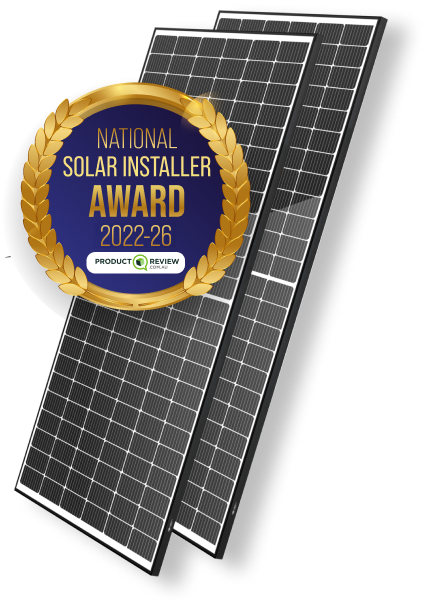
With the highest Five Star Reviews on Product Review and the National Solar Panel Installer 2022 award, we're the trusted choice for going solar.
Go Solar with Australia’s most trusted solar company in Australia


Ready to switch to solar?
Make the hassle-free switch for great rates on your solar system.